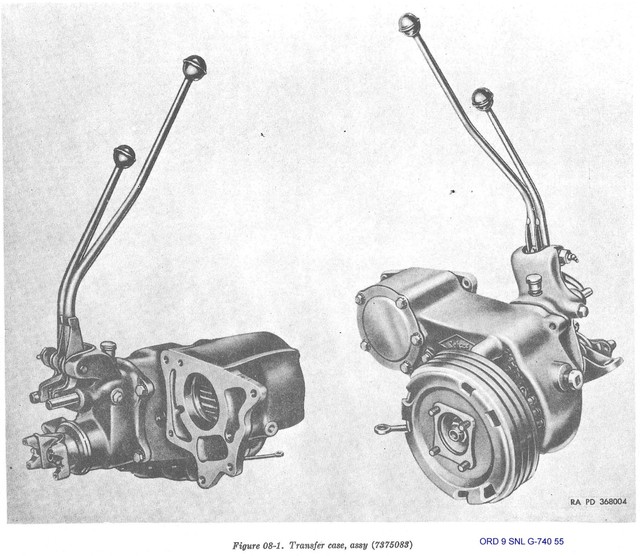
I would say no. I have a M38 trans and tcase and another paired from another vehicle and both fit the same.
The nose cone where trans shifter comes out is different on my 2 transmissions but fitment is same.
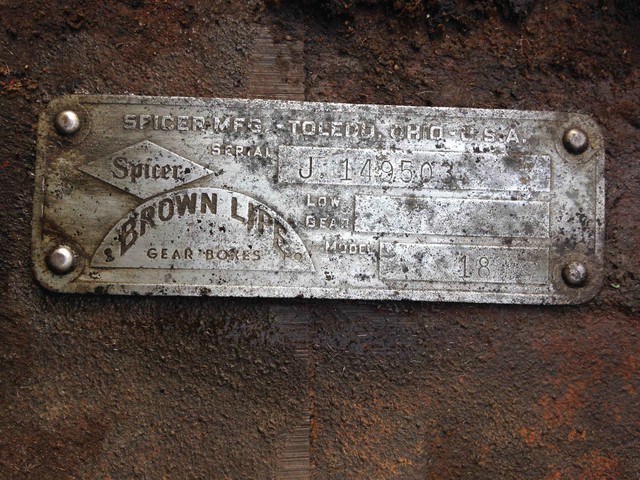
Yes it can make a difference. Depends on what you are doing with the jeep. There are three different generations of the D18. The easy way to spot them are by their countershaft diameters. The smaller shafts are weaker cases. Tranny can be an issue as well with ratios. The dual side holed bells are for the civvy Utility vehicles which were built both left and right hand drive.
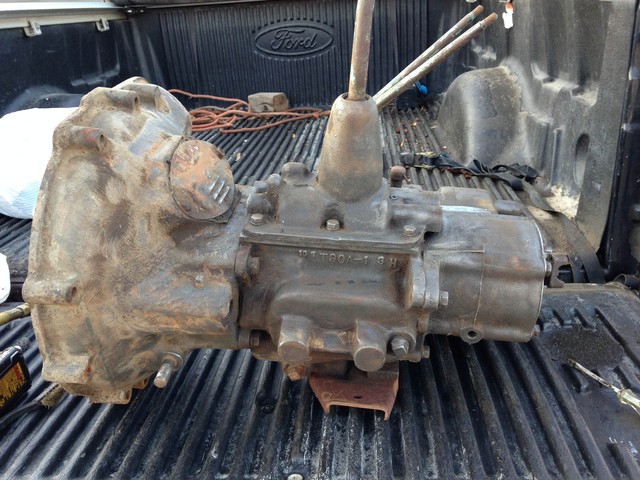
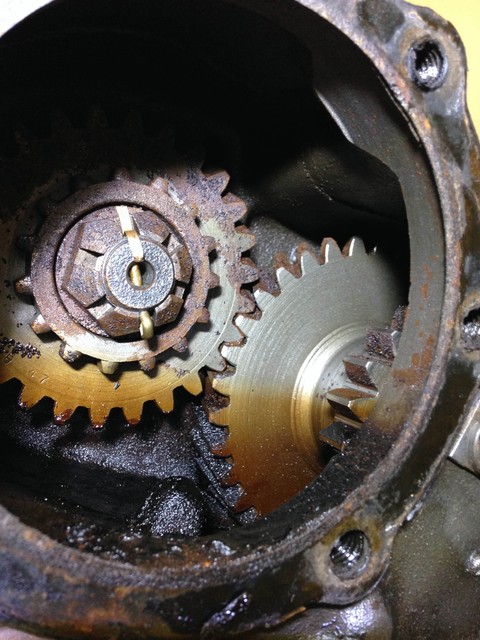
Finally had time to dig around and find the tranny I pulled out of the jeep 20+ years ago. Cleaned it up as well. Had poured diesel in way back when as it was completely stuck... Unfortunately, it is still stuck!
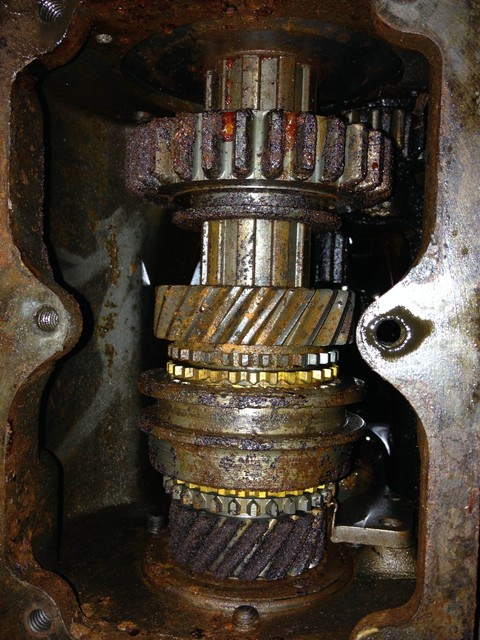
Take a look at the pics I took inside my transmission. Will a transmission and transfer rebuild kit from Midwest work to restore this transmission? I'm confident I can do the work, but not sure if the gears are salvageable. I had filled it with diesel fuel about 20 years ago because it was all seized up...
You are for sure looking at some gear replacements. Kit quality and completeness varies between manufacturers, country of origin and distributors. I would suggest you shop and compare before you buy. Try to stay with US built both new and NOS since this will insure a better degree of dimension stability and consistence in metallurgy.
You will need internals. NOS gears in original packaging will be expensive. With careful shopping you can find gears in used but very serviceable condition. If you buy a complete trans/xfr used, assume it needs rebuildingut these can provide gears and shafts. There have been reports of bad offshore gears sold new.
For kits shop around but avoid the usual discount-house selling incomplete offshore kits. I had luck with Novak and their business is drivelines (not tubs, wiring, chrome accessories etc). They answer their phone and return emails as a real US based business should.
Evapo-Rust. Get a couple of gallons and fill it up with this stuff. It will work better if you agitate or slosh it around 2 - 3 times a day. Also, if you're able to begin removing parts, submerge them in it and once or twice a day, inspect, rinse (with water) and brush with a wire "toothbrush" to help remove the rust and residue that is dissolving . Rinsing the parts and brushing them off at intervals really speeds up and improves the process in my experience. Won't help or hurt non-ferrous metals. http://www.evapo-rust.com/