
Alright,
I was thinking about maybe trying to start my engine before I get this thing completely back together. I haven't put the wiring harness in yet. Fuel tank isn't in yet. Vent system isn't installed.
Now, is there a simple way to wire it up to be able to start and run it just to check everything out before I finish this thing up? What do I need to do with the vent system? I figured I could run a hose from a gas can. I know I have to run 24v to the starter, and then what, run from the batteries to a toggle switch (to act as an ignition switch), and then to the distributor?
Matt
Start without wiring and fuel tank installed?
-
wilfreeman
- Jeep Legend

- Posts: 1079
- Joined: Sun Mar 12, 2006 6:00 pm
- Location: Richburg, SC
- Contact:
-
wesk

- Site Administrator

- Posts: 16469
- Joined: Sun Apr 03, 2005 6:00 pm
- Location: Wisconsin
- Contact:
From the sound of your question I am assuming you have not done this before and are probably not a professional mechanic.
For safety's sake you need to at least provide vibration resistant connections for the 24 volts to the starter and ignition with an on/off switch for the ignition. Fuel connections must have a shut off valve. Exhaust must be hooked up or the heat and fumes ducted away from the jeep and you.
You must have a reliable indicator for the coolant temp and the oil pressure. The cooling system must be mounted and plumbed. The PVC system should already be installed on the engine and only the fording/wiper vac and vent systems not connected.
To make this a really simple procedure you should first obtain the following:
1-a temporary dash panel.
2-a direct reading mechanical oil pressure gage w/the necessary fittings.
3-a direct reading mechanical coolant temp gage.
4-a single pole, single throw switch rated at 10 amps.
5-A fuel tank. (Outboard motor type works best.
6-A shutoff valve for whatever size fuel line you are using.
7-Make sure you have a spring on the throttle linkage holding it at idle.
Make sure any unused vac lines are capped. Leave the center vent port on the fuel pump clear and open.
Install the two gages, the switch and the shutoff valve in your temporary instrument panel. Mount the pane l to the frame on the right (Passenger) side of the engine. Plumb the gages. connect a length of 16 gage wire to the battery terminal on the starter. Connect another length of 16 gage wire to the distributor. Connect the two ends to the switch. Connect your two 12 volt batteries in series and ground the first battery's negative to the frame and 2nd battery's pos to the starter battery terminal. Connect your fuel tank to the shutoff valve. Connect the shutoff valve to the fuel pump.
Now you can not only fire her up for a minute just to go Golly, Gee, Wiz and then you have a safe enough setup to press on and confirm oil pressure and coolant temps are correct and check ignition timing and full governor advance for proper operation. Then you can complete a proper engine run-in as shown in the TM for your engine and retorque the head bolts and then fire her up again for a final checkout.
For safety's sake you need to at least provide vibration resistant connections for the 24 volts to the starter and ignition with an on/off switch for the ignition. Fuel connections must have a shut off valve. Exhaust must be hooked up or the heat and fumes ducted away from the jeep and you.
You must have a reliable indicator for the coolant temp and the oil pressure. The cooling system must be mounted and plumbed. The PVC system should already be installed on the engine and only the fording/wiper vac and vent systems not connected.
To make this a really simple procedure you should first obtain the following:
1-a temporary dash panel.
2-a direct reading mechanical oil pressure gage w/the necessary fittings.
3-a direct reading mechanical coolant temp gage.
4-a single pole, single throw switch rated at 10 amps.
5-A fuel tank. (Outboard motor type works best.
6-A shutoff valve for whatever size fuel line you are using.
7-Make sure you have a spring on the throttle linkage holding it at idle.
Make sure any unused vac lines are capped. Leave the center vent port on the fuel pump clear and open.
Install the two gages, the switch and the shutoff valve in your temporary instrument panel. Mount the pane l to the frame on the right (Passenger) side of the engine. Plumb the gages. connect a length of 16 gage wire to the battery terminal on the starter. Connect another length of 16 gage wire to the distributor. Connect the two ends to the switch. Connect your two 12 volt batteries in series and ground the first battery's negative to the frame and 2nd battery's pos to the starter battery terminal. Connect your fuel tank to the shutoff valve. Connect the shutoff valve to the fuel pump.
Now you can not only fire her up for a minute just to go Golly, Gee, Wiz and then you have a safe enough setup to press on and confirm oil pressure and coolant temps are correct and check ignition timing and full governor advance for proper operation. Then you can complete a proper engine run-in as shown in the TM for your engine and retorque the head bolts and then fire her up again for a final checkout.
Wes K
45 MB, 51 M38, 54 M37, 66 M101A1, 60 CJ5, 76 DJ5D, 47Bantam T3-C & 5? M100
Mjeeps photo album: http://www.willysmjeeps.com/v2/modules. ... _album.php
45 MB, 51 M38, 54 M37, 66 M101A1, 60 CJ5, 76 DJ5D, 47Bantam T3-C & 5? M100
Mjeeps photo album: http://www.willysmjeeps.com/v2/modules. ... _album.php
-
wilfreeman
- Jeep Legend
- Posts: 1079
- Joined: Sun Mar 12, 2006 6:00 pm
- Location: Richburg, SC
- Contact:
Definately not a professional mechanic and have never fired up an incomplete vehicle.
I am planning on pulling it out of the shop with the 4 wheeler and having a fire extinguisher right beside me. Wasn't sure about the fuel can - what would be a safe way to handle that.
I think I have a mechanical oil and temp gauge - I can put those and the switch in a wood instrument panel.
Pvc system isn't install - hadn't thought of that. And the fording and vent lines aren't installed. throttle springs in place.
So, as far as the wire going to the distributor is concerned, how to connect it. with the waterproof connector?
Yes, the plan is to get it timed and check for/fix any leaks that pop up. The engine wasn't rebuilt, just resealed. What about priming the oil pump?
Matt
I am planning on pulling it out of the shop with the 4 wheeler and having a fire extinguisher right beside me. Wasn't sure about the fuel can - what would be a safe way to handle that.
I think I have a mechanical oil and temp gauge - I can put those and the switch in a wood instrument panel.
Pvc system isn't install - hadn't thought of that. And the fording and vent lines aren't installed. throttle springs in place.
So, as far as the wire going to the distributor is concerned, how to connect it. with the waterproof connector?
Yes, the plan is to get it timed and check for/fix any leaks that pop up. The engine wasn't rebuilt, just resealed. What about priming the oil pump?
Matt
-
wesk
- Site Administrator
- Posts: 16469
- Joined: Sun Apr 03, 2005 6:00 pm
- Location: Wisconsin
- Contact:
I already answered that above. Using a small outboard motor tank is the safest. Or you can use the small gas tank from an old lawn mower or edger. The outboard tanks are nice because they come with a handle, vent, and supply hose with a bulb primer.Wasn't sure about the fuel can - what would be a safe way to handle that.
Those large openings in the intake manifold must be closed. It is best to at least complete all on the engine mounted vac/vent and PVC plumbing before running the engine.
Crimp or solder a female pin socket that fits the pin inside the plug tightly to your wire.wire going to the distributor is concerned, how to connect it. with the waterproof connector?
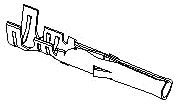
Measure the diameter of the male pin in the distributor side of the plug.
If the engine wasn't rebuilt it shouldn't need it. If you feel the pump may be dry then remove it and immerse it in a can of engine oil and reinstall it.What about priming the oil pump?
Wes K
45 MB, 51 M38, 54 M37, 66 M101A1, 60 CJ5, 76 DJ5D, 47Bantam T3-C & 5? M100
Mjeeps photo album: http://www.willysmjeeps.com/v2/modules. ... _album.php
45 MB, 51 M38, 54 M37, 66 M101A1, 60 CJ5, 76 DJ5D, 47Bantam T3-C & 5? M100
Mjeeps photo album: http://www.willysmjeeps.com/v2/modules. ... _album.php
-
wilfreeman
- Jeep Legend
- Posts: 1079
- Joined: Sun Mar 12, 2006 6:00 pm
- Location: Richburg, SC
- Contact:
Cool! - Now to figure out if I want to take the time to try it now or wait until I have the body bolted down and can take the fenders back off without having to re-align everything when I'm done with the engine.
Yeah, I understood about the outboard engine gas can - I just worded my reply wrong - I don't have one laying around, and I don't think any neighbors close to me do either, so I might go with the weddeater tank idea.
I'm kinda confused on the PCV vs. vac/vent lines vs. fording lines. In another post, someone stated that only the on engine fording lines were installed on late 'A1s also. So, the PCV lines are from the valve cover to the crossover tube (including the fording valve), and the lower crankcase vent (including fording valve) - but where does it go to, the large intake hole? Do the distributor vent lines need to be hooked up?
Good idea on the crimp on male connector - I had used some of those on a 12v trailer connector I was installing on my M100 a couple of years ago - perfect fit in the military connectors - forgot about them.
I can see I have alot more work to do before I get her on the road - I will have alot more questions before I do. I really appreciate all of the help that you guys are giving to me and everyone else - and all of the patience you have also! Keep up the good work1
Matt
Yeah, I understood about the outboard engine gas can - I just worded my reply wrong - I don't have one laying around, and I don't think any neighbors close to me do either, so I might go with the weddeater tank idea.
I'm kinda confused on the PCV vs. vac/vent lines vs. fording lines. In another post, someone stated that only the on engine fording lines were installed on late 'A1s also. So, the PCV lines are from the valve cover to the crossover tube (including the fording valve), and the lower crankcase vent (including fording valve) - but where does it go to, the large intake hole? Do the distributor vent lines need to be hooked up?
Good idea on the crimp on male connector - I had used some of those on a 12v trailer connector I was installing on my M100 a couple of years ago - perfect fit in the military connectors - forgot about them.
I can see I have alot more work to do before I get her on the road - I will have alot more questions before I do. I really appreciate all of the help that you guys are giving to me and everyone else - and all of the patience you have also! Keep up the good work1
Matt
-
wesk
- Site Administrator
- Posts: 16469
- Joined: Sun Apr 03, 2005 6:00 pm
- Location: Wisconsin
- Contact:
Only very early A1's had the complete fording system provisions. If you have the later A1 then you will still have the PVC system and wiper/distributor vac system on the engine and they should be properly connected.
The PVC system starts at the intake just below the carb, runs around the front of the block and attaches to the side valve cover. The wiper/distributor vac system starts by "T"ing into the PCV system just above the fuel pump and runs into the suct side of the vac pump. Then from the suct side of the vac pump up the left side of the engine to the Wiper "T" where a short stub hangs for the wiper hose and the other leg of the "T" goes to the distributor.
If you intend to set up the engine properly during these temporary setup engine runs then this plumbing needs to be properly installed. You do not need the crossover pipe nor do you need to run the tube from the distributor to the crossover pipe or the oil filler tube to the crossover pipe. You do need to cap the wiper line shorty pipe.
These two systems are actually referred to as allowable calibrated leaks in the manifold vac system and are compensated for by carb adjustments.
The photo below is a late style system without all the fording connections.

What you see in the illustration above is the ideal setup to allow proper adjustments of the engine.
You do not have to install the following items:
D, E, F, nor the vent hose and valve between the oil filler tube and the crossover pipe.
The PVC system starts at the intake just below the carb, runs around the front of the block and attaches to the side valve cover. The wiper/distributor vac system starts by "T"ing into the PCV system just above the fuel pump and runs into the suct side of the vac pump. Then from the suct side of the vac pump up the left side of the engine to the Wiper "T" where a short stub hangs for the wiper hose and the other leg of the "T" goes to the distributor.
If you intend to set up the engine properly during these temporary setup engine runs then this plumbing needs to be properly installed. You do not need the crossover pipe nor do you need to run the tube from the distributor to the crossover pipe or the oil filler tube to the crossover pipe. You do need to cap the wiper line shorty pipe.
These two systems are actually referred to as allowable calibrated leaks in the manifold vac system and are compensated for by carb adjustments.
The photo below is a late style system without all the fording connections.
What you see in the illustration above is the ideal setup to allow proper adjustments of the engine.
You do not have to install the following items:
D, E, F, nor the vent hose and valve between the oil filler tube and the crossover pipe.
Wes K
45 MB, 51 M38, 54 M37, 66 M101A1, 60 CJ5, 76 DJ5D, 47Bantam T3-C & 5? M100
Mjeeps photo album: http://www.willysmjeeps.com/v2/modules. ... _album.php
45 MB, 51 M38, 54 M37, 66 M101A1, 60 CJ5, 76 DJ5D, 47Bantam T3-C & 5? M100
Mjeeps photo album: http://www.willysmjeeps.com/v2/modules. ... _album.php
-
wilfreeman
- Jeep Legend
- Posts: 1079
- Joined: Sun Mar 12, 2006 6:00 pm
- Location: Richburg, SC
- Contact:
Great info Wes! I got a start on getting her piped up today - so should I use steel or copper, or does it matter? Shouldn't for vent lines I would think. Also got my battery pans in and the dash, and everything forward of the floor riser and behind the dash painted. Slow progress, but at least she's moving forward!
Matt
Matt
-
wesk
- Site Administrator
- Posts: 16469
- Joined: Sun Apr 03, 2005 6:00 pm
- Location: Wisconsin
- Contact:
Original except for the two distributor lines were steel. The Copper distributor lines allowed easier distributor timing adjustments. The Army used copper for replacements. If you are making your own lines you can use the ready made steel brake lines which are fitted with the correct inverted flare fittings.
Wes K
45 MB, 51 M38, 54 M37, 66 M101A1, 60 CJ5, 76 DJ5D, 47Bantam T3-C & 5? M100
Mjeeps photo album: http://www.willysmjeeps.com/v2/modules. ... _album.php
45 MB, 51 M38, 54 M37, 66 M101A1, 60 CJ5, 76 DJ5D, 47Bantam T3-C & 5? M100
Mjeeps photo album: http://www.willysmjeeps.com/v2/modules. ... _album.php