Hey guys,
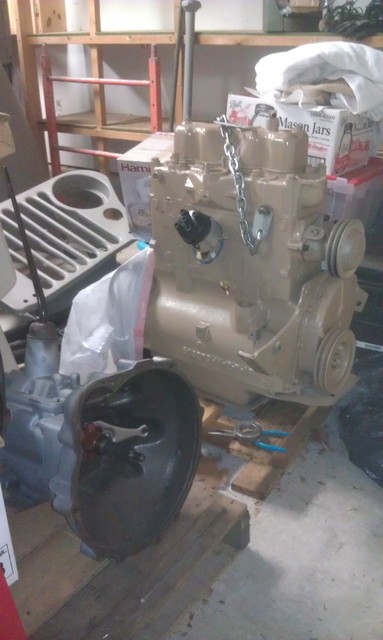
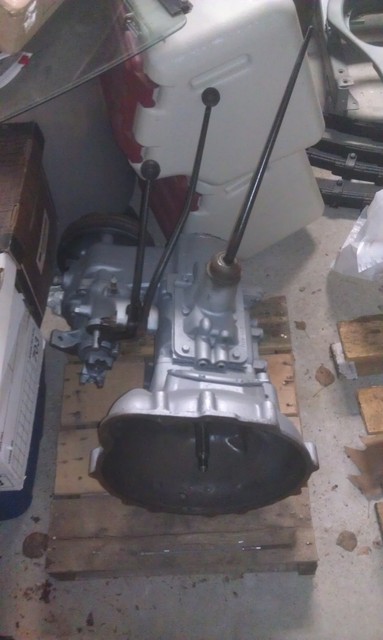
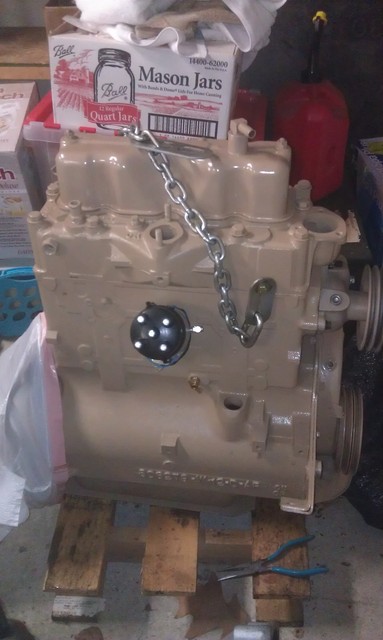
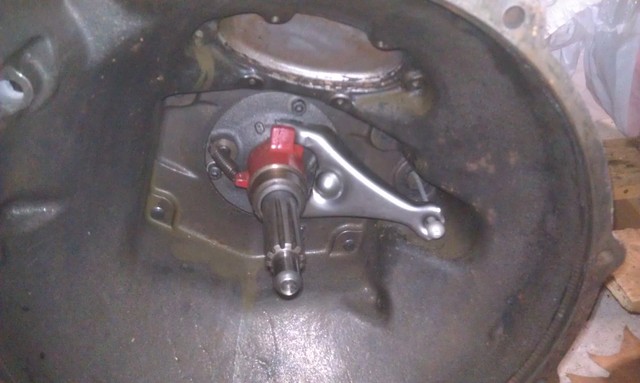
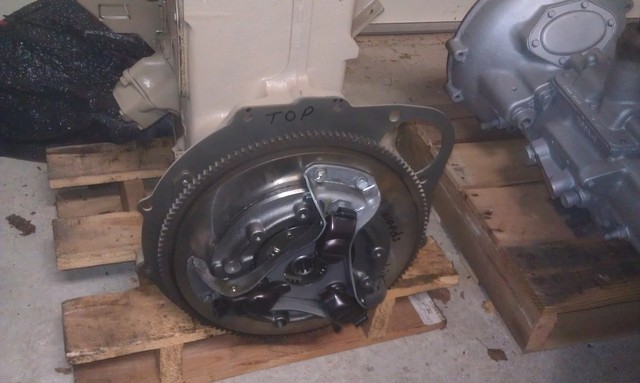
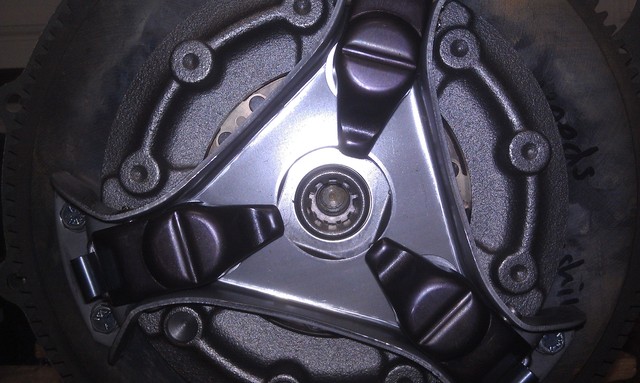
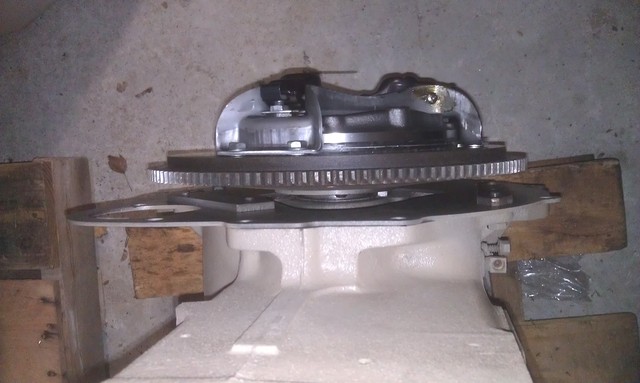
I asked a few days ago about my bellhousing and clutch. I just wanted to know what you guys think of how I did and if I have to do anythng else before I can attach the engine to the transmission and put it on my frame? If you can't see something, just let me know and I will take a picture of it.
The one main thing that I can see is that even though you have what looks like a plastic bag on the engine it is still a very good idea to have all of the holes such as the intake ,thermostat housing ,spark plug holes distributor housing and any other holes ether taped shut or rags or other means of closing up every thing because it is very easy to drop a nut or bolt or something else that could be very harmful to your engines health and also mice and other critters like to make homes in such places as intakes and exhaust ports and the like. I only say this out of personal experience from years of working on vehicles.
You'll find it easier to install the exhaust studs and the eaxhaust manifole before you drop it in. Same with the oil filter line behind the fuel pump and the fuel pump.
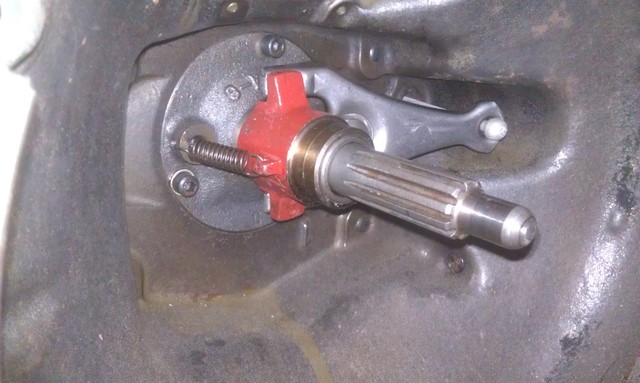
PUt the rubber protector on the clutch release cable before you install it too. The rubber will also help stabilize the cable during the installation process.
I put the rubber on AFTER it was installed and the cable dislodged from the fork, and then that was a totally involved project when the fork dropped. The FIRST time I had it out, we also put a loose string loop over the clutch cable and the fork to prevent the two from coming apart.
Your civvy distributor may not clock the same as a military one so if you plan on switching plan on pulling the oil pump to get it to time. Much easier to do with the engine out.
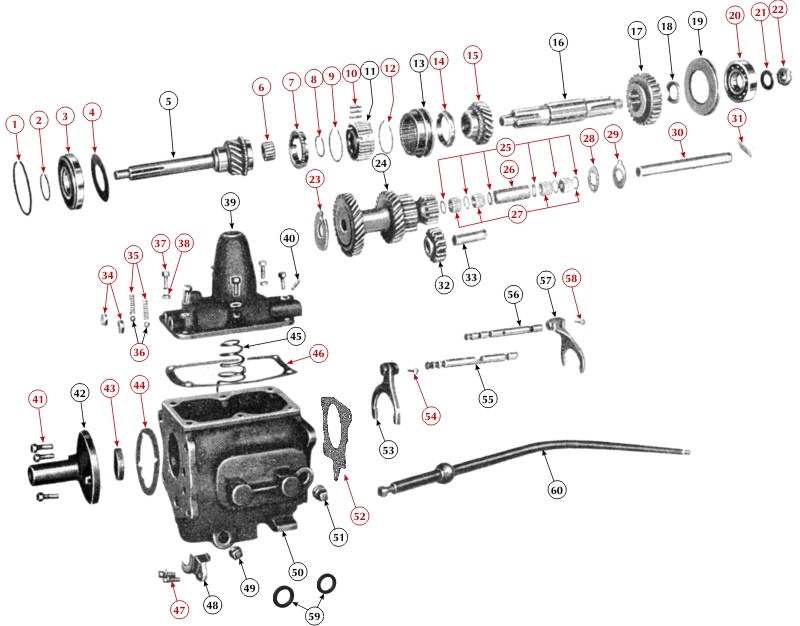
Did you get a new felt seal for the input shaft on the tranny? Very cheap and simple investment while the tranny is out.
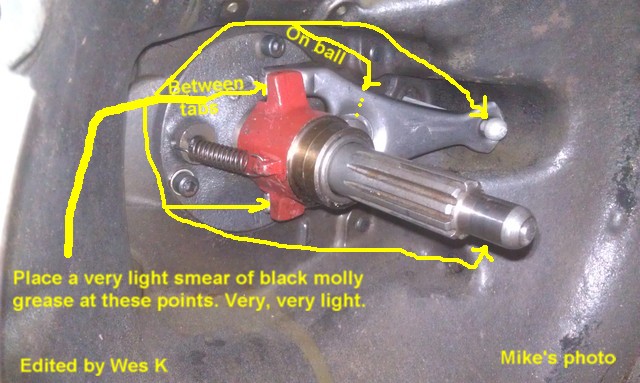
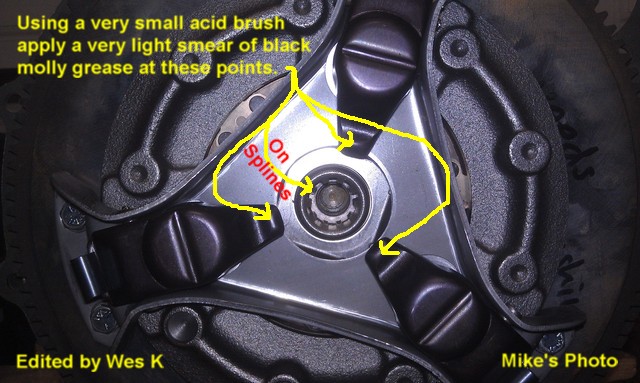
Make sure you change your pilot bearing and check the fit with an extra input shaft. Properly prep your pilot bearing as Wes has described many times.
Chase all threads on remaining bolt holes (if required) with tap before installation.
Awesome!! Thanks Guys! Thanks Wes for the pictures! Hey, 53A1, where do you get those felt seals from and where do you put it since I cant find it in the M38A1 manual...? Yarder, the rubber clutch seal is the black rubber boot that goes on the outside of the bellhousing, right?
Thanks again,
Mike
A word of caution on thread cleaning or chasing. Use a thread chaser not a tap. A tap will remove more metal making the threads a looser fit and increasing the risk of bolts backing out over time.
ChiGuy82 wrote: Yarder, the rubber clutch seal is the black rubber boot that goes on the outside of the bellhousing, right?
Thanks again,
Mike
Yes, that's the one. I tried to put that on the last time after I had the engine in the vehicle. In trying to scoot the rubber down the cable, the cable came loose from the fork, and then the folk came off, and then.......
Had I had the rubber protective boot installed out of the jeep, things would have been better secured.
Ditto everything that has been mentioned so far, especially Wes's comment on the proper lift bracket - makes it easy to install the engine and trans as a unit.
I would also add any item that is attached to the engine such as carb and crosstube, starter, generator, fan and belts, engine mounts, radiator and hoses, vent and fuel lines, spark plug wires and plugs. Get the distributor rough timed using the timing indicators (mark on 5 before TDC and points just opening). It is so much easier to work on adding accessories and fixtures when the engine is on a benchtop or the floor than when it is in the jeep. The engine, trans and all accessories were made to pull out and install as an entire assembly. One thing you will have to remove first is the shifters unless you are going to be dropping the body on the jeep after the engine.
To save a little weight you could add lubricants and coolant after you have the engine installed.